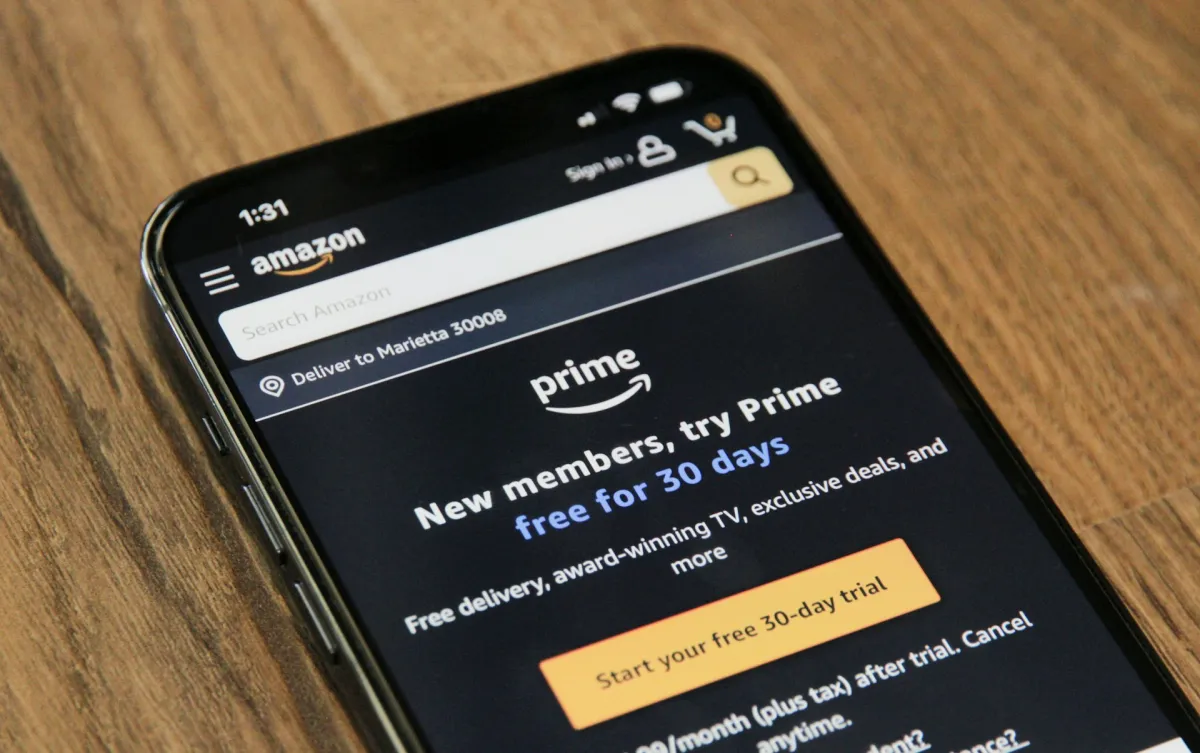
Picture this. You're at the checkout for a subscription you want, and there's that little choice staring back at you: pay monthly, or save 20 percent by paying for the whole year up front. It feels like a small decision, but get it wrong across a dozen subscriptions and you're either bleeding money every month or stuck paying for things you stopped using ages ago. Learning how to choose between monthly and annual subscription billing really comes down to three things: how committed you are, how the discount actually pencils out, and whether you can spare the cash today. Let me walk you through how I think it through, one subscription at a time.
The Short Answer, Before We Get Into the Details
If you're going to keep using something for a year or more, annual billing almost always wins, because you pocket the discount on money you were going to spend anyway. If you're not sure you'll stick with it, or cash is tight this month, monthly billing is worth the small premium for the freedom to cancel anytime. That's the entire decision in two sentences. The rest of this post is about the gray area in between, which is where most real choices actually live.
What You're Actually Choosing Between
On the surface, this looks like a price comparison. It isn't, not really. What you're trading is money for flexibility, and the discount is the exchange rate. Annual plans hand you a lower price in return for your commitment and your cash up front. Monthly plans charge more, but they let you bail the moment the service stops being worth it.
Once you see it as money versus flexibility, the question changes. It stops being "which is cheaper" and becomes "how much is the freedom to quit worth to me for this specific thing." For something you'll clearly use for years, that freedom is worth almost nothing, so you take the discount. For something you're still testing, that freedom can be worth quite a lot.
That "pay for ten, get twelve" setup is the most common annual discount you'll run into, and it works out to roughly 16 percent off. Some services are more generous and knock off 20 percent or more. Others barely give you anything, maybe 5 or 10 percent. The size of that gap is the single biggest factor in whether annual is worth it, which is exactly why the next step is doing the math instead of trusting the word "save" on a button.
Run the Real Math on the Discount
Here's the part people skip. The annual price looks big, so they either dismiss it or grab it without checking. Do this instead. Take the monthly price, multiply it by twelve, and compare that number to the annual price. The difference is your real savings, in dollars, not in a vague percentage on a sales page.
Say a tool costs 12 dollars a month, or 96 dollars a year. Twelve months at 12 dollars is 144. So the annual plan saves you 48 dollars, a full third off. That's a real discount worth taking if you'll use the tool.
Now flip it. A service at 15 dollars a month might cost 170 a year. Twelve monthly payments come to 180, so annual saves you just 10 dollars. For 10 dollars, I'd usually keep the monthly flexibility, especially if I'm not sure I'll stick around. Same two plans, completely different decisions, and the only way to see it is the math.
A discount only counts if you'd have stayed the whole year anyway. Otherwise it isn't savings, it's a deposit on something you might not use.
So the move is simple: always convert the offer to a flat dollar figure before you decide. Percentages are easy to dress up, but a dollar amount tells you the truth about what you're saving.
The One Question That Decides It for Most People
Strip away the spreadsheets and one question settles most of these decisions: will I still be using this in six months? Be honest, because your gym membership already knows the answer. If you can picture yourself using the service regularly half a year from now, the annual discount is basically free money. If you hesitate, that hesitation is information.
A common mistake I notice is people buying the annual plan as a motivation tool. "If I pay for the whole year, I'll force myself to use it." Sometimes that works, but more often you've just prepaid for guilt. The language app, the meditation subscription, the online course platform, these are where people lose the most money, because the annual plan feels like a promise to become a better version of themselves. The service keeps the cash either way.
Don't Forget About Your Cash Flow
The discount can be real, and you can be sure you'll use the service, and annual can still be the wrong call. Why? Because paying a year up front means handing over a lump sum today. If that 200 dollar annual charge leaves you short on something more important this month, the 40 dollars you saved doesn't count for much.
This is where I think the advice online gets lazy. Everyone says "always go annual to save money," but that assumes the up front cost is painless for you. It isn't always. If your budget is tight, spreading the cost across twelve smaller payments can be the smarter, calmer choice even though it costs more on paper. Financial breathing room has value too, and only you can price it.
If you've got more than a handful of subscriptions, it helps to see them all in one place before you start switching billing cycles. List every recurring charge, what it costs monthly, what it costs annually, and the date it renews. Once it's on one page, the obvious wins jump out: the services you'd happily commit to for a year, and the ones you should cancel before they renew at all.
Before you pick either option, a few details in the fine print decide whether you actually get the deal you think you're getting. The biggest one is auto-renewal. Almost every subscription renews on its own, and annual plans renew for another full year, often at a higher price than your first one. The discount that hooked you might have only been an intro rate.
The refund policy is the next thing to check. Some services refund the unused portion of an annual plan if you cancel partway through. Many don't. If a service won't give you a prorated refund, an annual plan is a real one-year bet, so treat it like one. Monthly plans rarely have this problem, since the most you can lose is the current month.
Two more worth a glance. Does the low annual price lock in for renewals, or is it only for year one? And can you pause instead of cancel, which some services offer as a middle ground? Finding these answers takes about two minutes on the billing page, and it saves the kind of money that makes this whole exercise worth doing.
When Monthly Billing Is the Smarter Choice
Monthly billing gets treated like the amateur option, the one you pick because you didn't do the math. That's not fair. There are plenty of times monthly is the right, deliberate call.
Go monthly when you're trying a service for the first time and don't yet know if it fits your routine. Go monthly for anything seasonal, like a workout app you'll use hard for three months and then drop. Go monthly when the annual discount is small, say under 15 percent, because the savings don't justify the lock-in. And go monthly when your income is irregular, since smaller, predictable payments are easier to manage than one big hit.
I also lean monthly for any service in a fast-moving category where something better might launch next quarter. Locking into a year of a tool that gets leapfrogged by a competitor is a quiet way to overpay. Flexibility is the whole point of monthly, and sometimes that flexibility is worth more than a discount.
When Annual Billing Almost Always Wins
On the other side, some subscriptions are easy calls for annual billing, and paying monthly for them is just leaving money on the table.
Pick annual for the tools you've already used consistently for a year or more, where the only question is how much you'll save. Pick annual for anything essential to your work or daily life: the password manager, the cloud storage, the software you open every morning. Pick annual when the discount is meaningful, 20 percent or more, and the service offers a prorated refund so your downside is limited. And pick annual when monthly billing has you debating whether to cancel every single month, because that mental friction has a cost too.
The best candidates for annual billing are the boring, essential services you'd never seriously think about quitting.
For these, the annual discount is close to guaranteed savings. You were going to pay anyway, so you might as well pay less. That's the cleanest version of this whole decision, and it's worth grabbing every time you find it.
A Simple Way to Choose Between Monthly and Annual Subscription Billing
Put it all together and you get a quick mental checklist. Run any subscription through these four checks and the answer usually becomes clear within a minute.
First, will you realistically use this for the next twelve months? If no, go monthly and revisit later. If yes, keep going. Second, do the math: monthly price times twelve, minus the annual price, and see whether the savings are big enough to care about.
Third, can you comfortably afford the lump sum today without straining the rest of your budget? Fourth, check the fine print for the renewal rate and the refund policy. Clear all four and annual is your answer. If any one of them gives you pause, monthly is the safer bet.
Notice that price is only one of the four checks, and that's on purpose. The cheapest option on paper isn't always the right one once you factor in whether you'll use the thing, whether you can afford it now, and what happens when it renews.
Making the Call
Choosing between monthly and annual subscription billing isn't about always tapping the cheapest box. It's about matching the billing cycle to how you'll actually use the service and what your budget can handle. Commit and save where it's a sure thing. Stay flexible where it isn't. That's the whole game.
Here's what I'd do next. Open your bank or card statement, find every recurring charge, and run each one through the four-question framework above. You'll probably spot one annual plan worth switching to, one monthly habit worth keeping flexible, and at least one subscription you forgot you were even paying for. Cancel that last one, switch the easy wins, and you'll have paid for the time you spent reading this many times over.